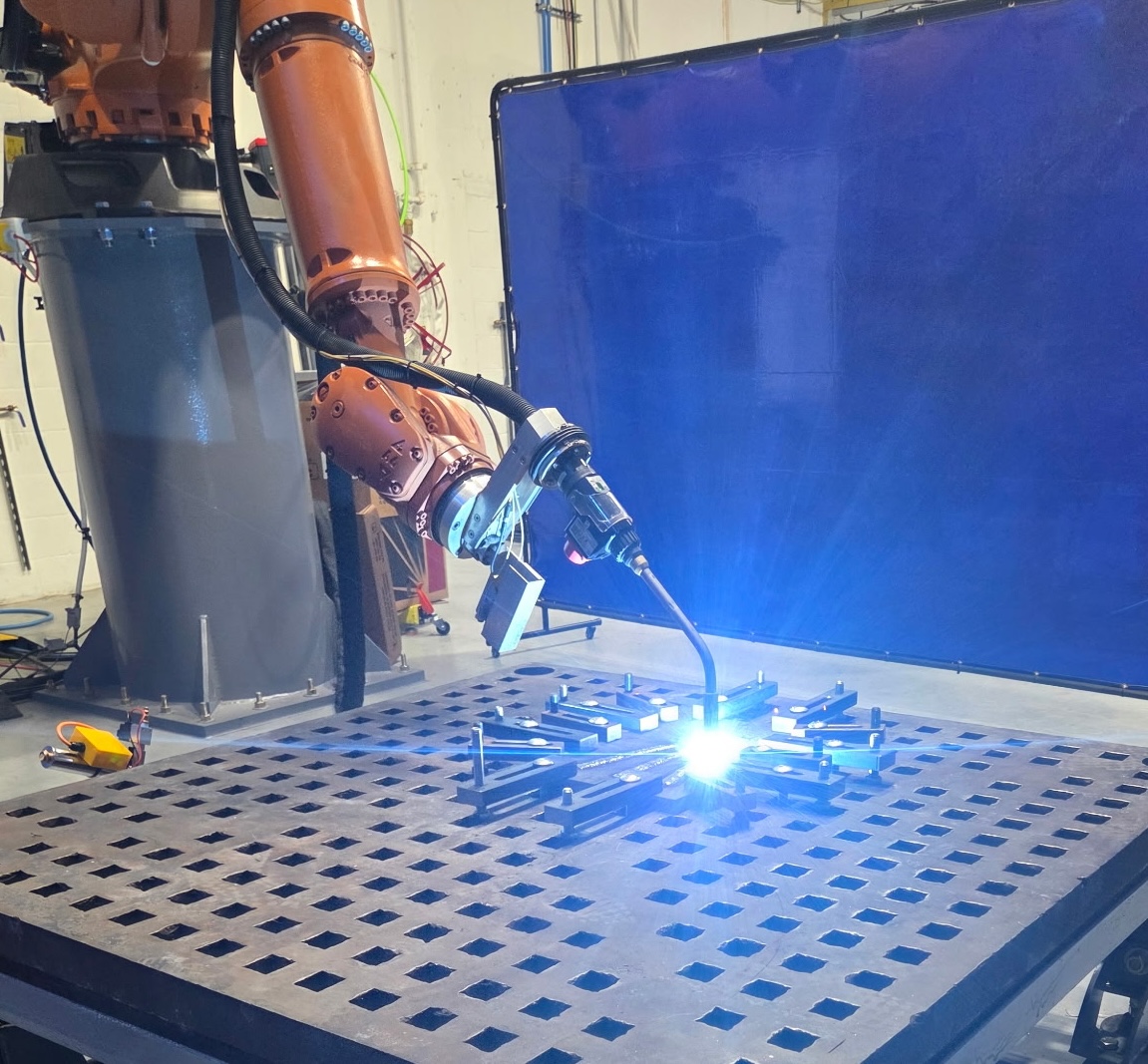
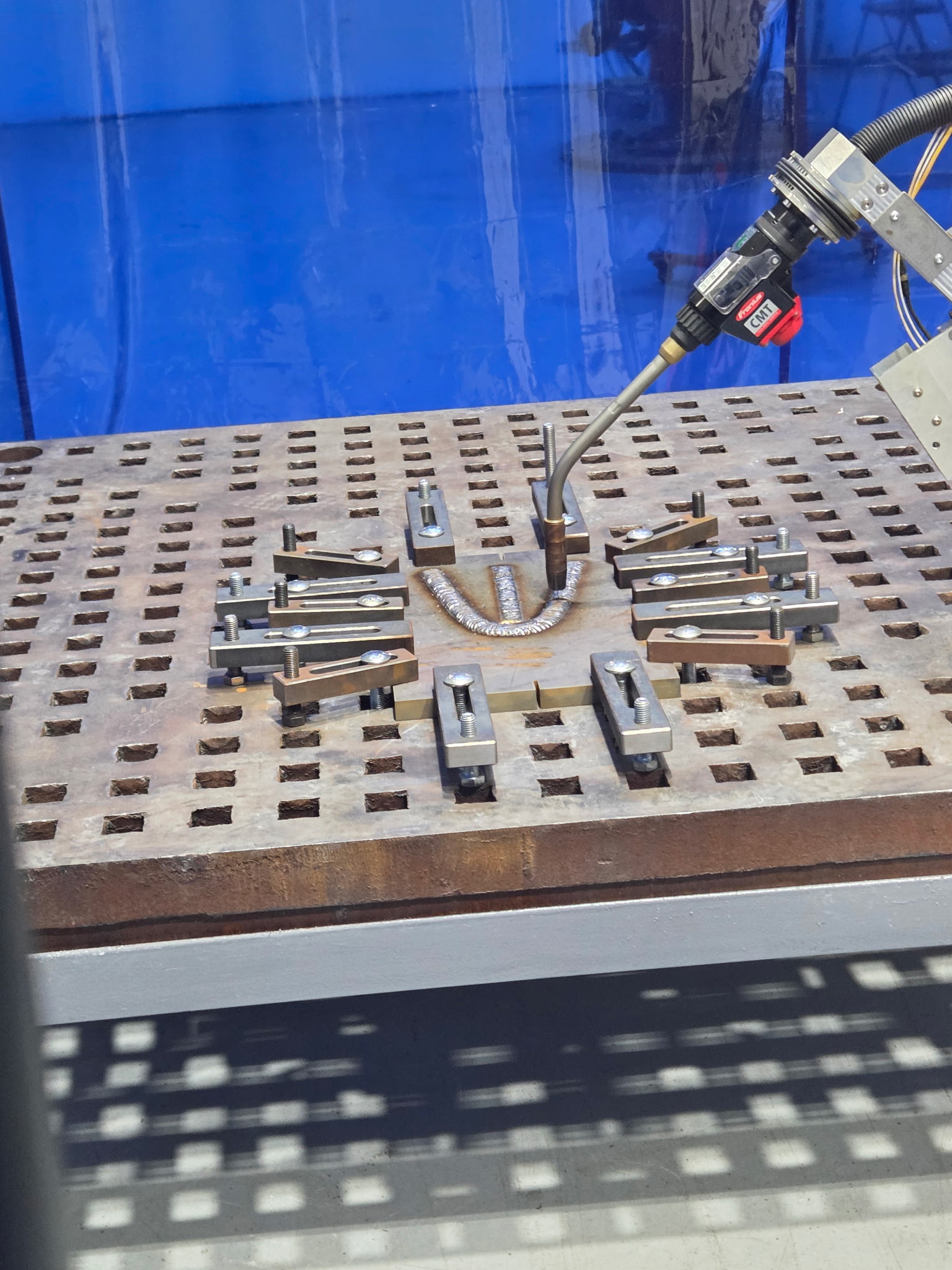
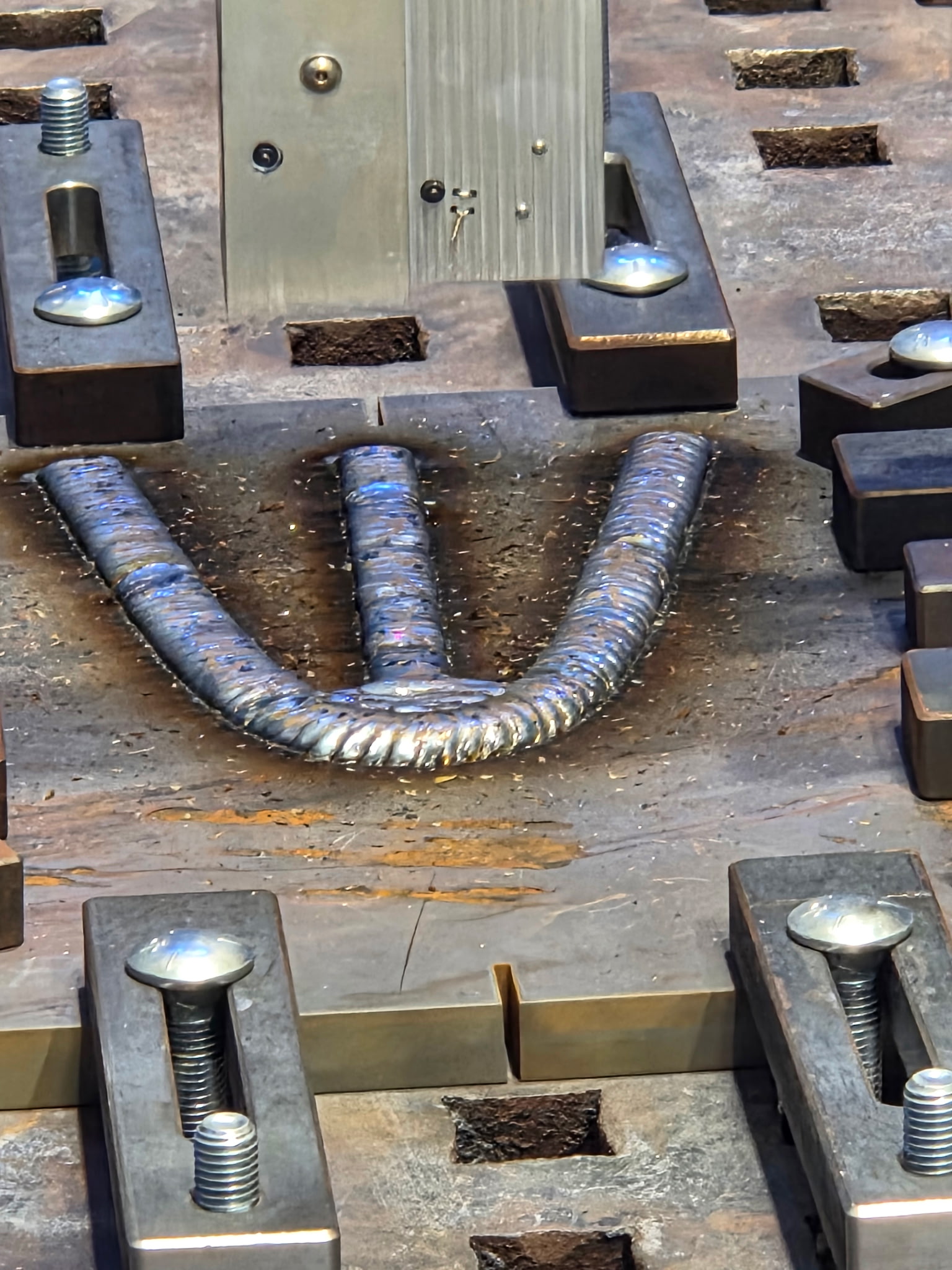
Your hardware iterates faster than the factory floor can follow. Averra closes that gap. Bring us a drawing and feasibility comes back in hours; push a revision and the system absorbs it instead of stopping for it; every part stays traceable from quote to finished part. We start where the capability gap is widest — structural-scale 3D metal printing, metal parts up to 14 feet in a single run — and build the manufacturing OS outward from there.


You push a design revision every two weeks; the shop quoting it takes four. A maritime program adjusts a spec in March, and the floor needs three months to retool around it. That asymmetry — between how fast your hardware iterates and how fast manufacturing can follow — is the Velocity Gap. It's where your programs slip, your windows close, and revisions you needed get quietly skipped.
The factory floor was built for a different world: stable designs, long runs, changes rare enough to absorb by hand. Your team no longer lives in that world — and the bottleneck doesn't announce itself. It just quietly shapes what you're willing to try.
It isn’t a scheduling problem.
It’s an ARCHITECTURE problem.
The reason you wait four weeks for a quote isn't that quoting is hard. It's that the data needed to quote — capacity, tooling state, current load, material lead times — lives in heads, spreadsheets, and email threads. Averra runs differently: an intelligent system connects design intent to the shop floor in real time. The intelligence lives in the system, not in the machine.
Upload a drawing. The system models it against a live digital twin of the factory- every cell, every machine, every active job - and returns an answer in hours: whether it can be built, on what equipment, at what cost. The quote isn't a guess. It's a query against a system that already knows.
A revision used to mean retooling, requoting, rescheduling. Averra's system finds where the change applies, propagates it through work instructions, and routes new parameters to the floor. The system absorbs the change, it doesn't stop for it. Your schedule doesn't slip.
Every part is scanned against its CAD model in real time through the Digital Thread, so deviations surface while they're still correctable. You get a live, responsive view of where your parts are and whether they're in spec. Quality is built in from the first line of code not checked at the end of the line.
You've been burned by a contract manufacturer — the quote that took four weeks, the revision that stopped the line, the shop that went silent. Averra was built by people who've been where you are. Bring a drawing, get feasibility in hours. Push a design change like you'd push a commit and the system propagates it — your living BOM updates when the CAD file does — while you keep a live view of the floor the whole way. We call it Instant Industrialization: design change to production, no penalty.
Compliance and traceability come first: AS9102 first-article on every job, ITAR-controlled handling, a signed Digital Thread from design intent to finished part. Then the responsiveness — a spec change in March absorbed in hours, not three months of lost schedule. Structural-scale 3D metal printing closes a domestic capability gap: chassis frames and structural components up to 14 feet that once meant welded assemblies, imported forgings, or overseas sourcing, now produced domestically in a single run. We call it Sovereign Agility.
Defense, energy, autonomy, national resilience — the next decade of technological competition runs through the factory floor. The companies and countries that control their manufacturing infrastructure participate in what comes next. Those that don't depend on those that do.
The architecture to build manufacturing differently exists now. Server-based control, digital twins, real-time quality, vision-language-action robotics — the tools are here. What hasn't existed is a manufacturer built from the ground up around them. The manufacturer built for the AI era is as strategic as the chip that runs the device.
Not a retrofit.
built from scratch - the way it should have always worked.
Averra was founded by operators who've shipped on hardtech programs and run modern factory floors. The people behind every part — and the people your program manager or VP of Engineering works with directly, by name.

Automotive engineer turned founder. GM, May Mobility, and now Averra — building the manufacturing OS she always needed but could never find.

Built operations systems at Ford, Boston Scientific, and 23andMe. Knows what breaks first when manufacturing can't see its own data — and how to fix it before it becomes a crisis.

Former defense PM. Owned schedule, cost, and risk on multi-year programs with monthly spec churn. Speaks the language program leads actually use.
Whether it's the first 200 units of a hardware product, a structural component your maritime program needs sourced domestically, or a low-rate run that has to absorb three more revisions before it ships — Averra is built for what you're actually trying to do. Send a drawing; the sooner the part is real, the sooner you can ship.